
Aligners & Braces: Expert Q&A, FAQ & Guide
Dr. Swathi Kakathkar answers your top questions about teeth straightening, Invisalign, and orthodontic care in Bangalore.
What are Aligners and Braces?
Aligners (like Invisalign) and traditional braces are orthodontic treatments used to straighten teeth, correct bite issues, and improve your smile. Aligners are clear, removable trays, while braces use metal or ceramic brackets and wires.
Benefits of Aligners & Braces
- Discreet teeth straightening (clear aligners)
- Effective for all ages and most dental issues
- Improved oral health and confidence
- Custom treatment plans for every patient
Who is a Candidate?
Most teens and adults with crooked, crowded, or spaced teeth, overbite, underbite, or jaw alignment issues can benefit from orthodontic treatment. Dr. Swathi says: “A consultation is the best way to find your ideal option.”
How does Invisalign work?
Invisalign uses a series of custom-made, clear aligners to gently move teeth into place. You wear each set for 1–2 weeks, removing them only to eat, drink, brush, and floss.
How long does treatment take?
Most cases take 6–24 months, depending on complexity and patient compliance.
Is it painful?
Some discomfort is normal when starting or changing aligners/braces, but it’s usually mild and temporary.
How do I care for my aligners or braces?
- Brush and floss after every meal
- Clean aligners daily with gentle soap and water
- Avoid sticky, hard, or chewy foods with braces
- Attend regular dental checkups
What are the costs?
Costs vary by case and type. Invisalign and clear aligners are usually more expensive than metal braces, but offer more comfort and aesthetics. Ask us for a personalized quote.
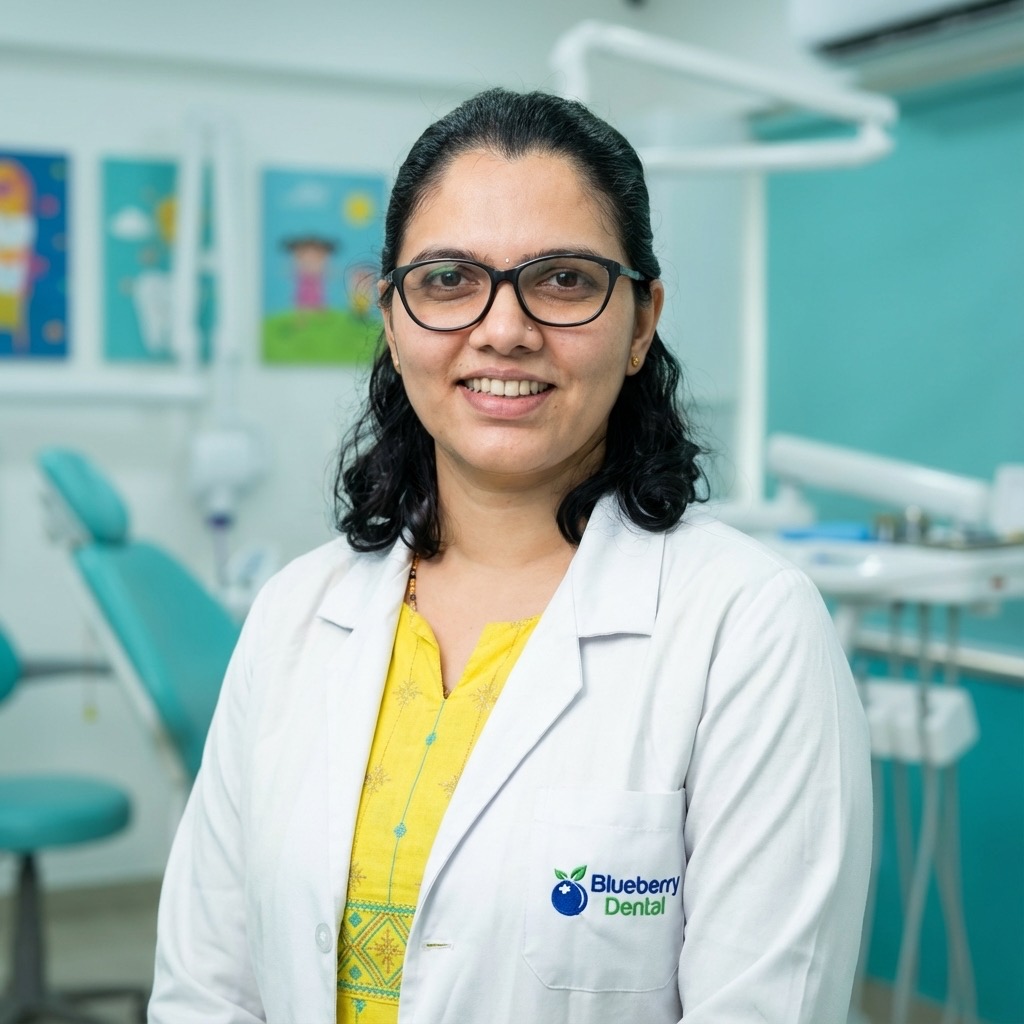
Dr. Swathi Kakathkar
BDS, MDS Pediatric Dentistry
Specialist in Pediatric & Family Dentistry
Frequently Asked Questions
A: For most mild to moderate cases, yes. Severe cases may need traditional braces.
Q: Can adults get braces or aligners?A: Absolutely! Many adults choose clear aligners for discreet treatment.
Q: How often do I need to visit the dentist?A: Every 4–8 weeks for checkups and adjustments.
Q: Will my speech be affected?A: You may notice a slight lisp at first, but it usually disappears quickly.
Q: What happens after treatment?A: You’ll need to wear retainers to keep your teeth in their new position.